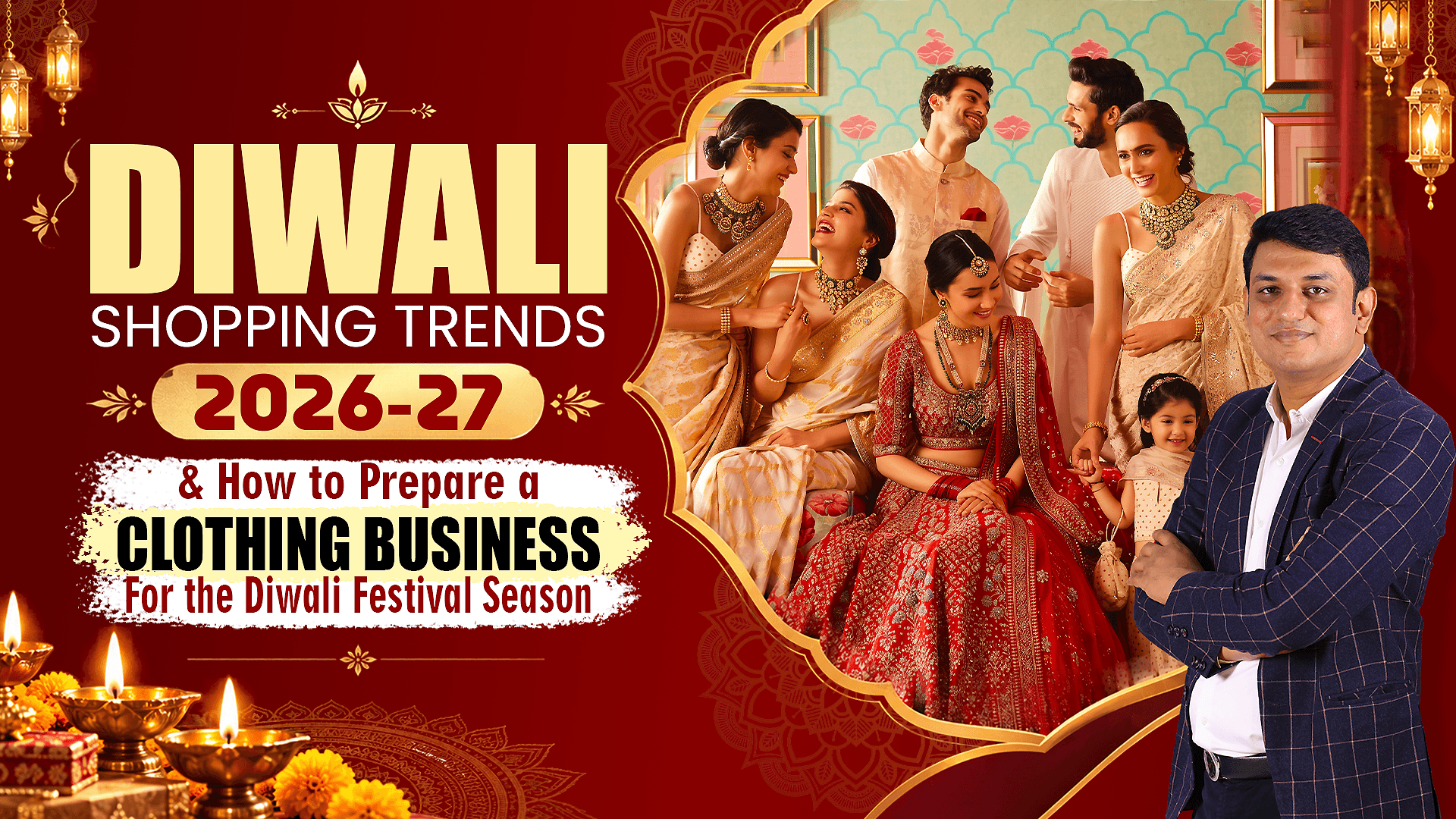
Diwali Shopping Trends 2026–27 – How to Prepare a Clothing Business for the Diwali Festival Season
Diwali is one of the most important festive shopping seasons for India's clothing industry. As customers prepare for celebrations, family gatherings, religious ceremonies, parties and weddings, the demand for traditional outfits, ethnic wear, festive collections and fashionable clothing increases. For clothing retailers, wholesalers and entrepreneurs, the Diwali season 2026–27 presents an opportunity to understand changing shopping preferences, prepare the right product assortment and build stronger customer relationships. However, success during the festive season requires more than stocking attractive garments. Businesses need careful inventory planning, competitive pricing, reliable suppliers, effective marketing and a customer-focused shopping experience. As the CEO and Founder of Kesaria Textile Company, I believe that understanding market demand and preparing before the festive rush are essential steps towards building a sustainable clothing business.
Diwali Shopping Trends 2026–27: What Customers May Look for This Festive Season
Diwali shopping trends in 2026–27 are expected to reflect a combination of traditional Indian fashion, contemporary designs, comfort, value for money and versatile festive clothing. Customers shopping for Diwali may look for sarees, lehengas, salwar suits, kurtis, gowns, ethnic dresses and coordinated outfits suitable for family celebrations, office festivities and social occasions. Men's festive fashion, including kurtas, kurta-pajamas, shirts and occasion wear, can also create opportunities for retailers serving a broader customer base. Children's festive clothing provides another category for businesses catering to family shopping requirements. In addition to design, shoppers often consider fabric quality, fitting, colour combinations, finishing and affordability before making a purchase. Retailers should therefore study their local customers instead of assuming that every market has identical preferences. Some locations may have stronger demand for traditional ethnic wear, while others may respond better to contemporary silhouettes and fusion fashion. Clothing businesses can prepare by reviewing previous seasonal sales, collecting customer feedback, monitoring enquiries and identifying fast-moving product categories. Offering different styles and price ranges can help retailers serve customers with varying budgets while maintaining a clear focus on quality and product suitability. These observations should guide purchasing decisions, promotional campaigns and merchandising strategies throughout the Diwali festival season.
How to Prepare a Clothing Business for the Diwali Festival Season 2026–27
Preparing a clothing business for Diwali should begin well before customers start their main festive shopping. The first step is to create an inventory plan based on historical sales, available working capital, supplier lead times and the expected needs of the target market. Retailers should prioritise relevant categories such as sarees, suits, kurtis, lehengas, gowns and other festive outfits according to their store's customer profile. Maintaining a balanced selection of sizes, designs, fabrics and price points can help reduce the risk of excess stock in slow-moving products. Businesses should also confirm delivery schedules with their suppliers, inspect product quality and arrange replenishment options for popular designs wherever possible. The next step is to prepare the store for festive shopping through attractive displays, organised product sections, clear pricing and helpful customer service. Digital promotion can strengthen these efforts through website updates, Google Business Profile posts, social media content, product videos and WhatsApp communication with customers who have agreed to receive promotional messages. Retailers should communicate genuine offers and avoid misleading discounts or unsupported product claims. Financial preparation is equally important: businesses need to account for purchasing costs, rent, staffing, packaging, marketing and other operating expenses before committing to large orders. At Kesaria Textile Company, our experience in the clothing trade reinforces the importance of understanding product demand and building dependable supply relationships. A structured festive plan can help clothing entrepreneurs improve readiness, manage stock more effectively and create a better shopping experience during the Diwali season.
Clothing Business Growth Opportunities During Diwali 2026–27: Insights from Ritesh Modi
The Diwali festival season can help clothing entrepreneurs strengthen their businesses, attract new customers and identify opportunities for future growth. However, sustainable success depends on building a business model that works beyond a few weeks of festive sales. Retailers should track which categories generate enquiries, which products sell quickly, which price ranges attract the most customers and which items remain unsold after the season. These insights can support better purchasing decisions for weddings, winter collections and upcoming festivals. Wholesalers and distributors can prepare by communicating product availability, minimum order requirements, pricing and delivery timelines clearly to their business buyers. Entrepreneurs considering a new clothing store or franchise should also evaluate the local market, customer demographics, competition, investment requirements and ongoing operating costs before making a decision. For a business-to-business supplier such as Kesaria Textile Company, understanding the needs of retailers and wholesale buyers is an important part of developing long-term trade relationships. My advice to aspiring clothing entrepreneurs is to focus on product relevance, consistent quality, disciplined financial management and customer trust rather than relying only on seasonal discounts. Diwali can provide a valuable opportunity to introduce new collections and reach new buyers, but the real objective should be to convert festive demand into repeat business. By reviewing performance after the season, maintaining relationships with reliable suppliers and adapting to changing fashion preferences, clothing businesses can build a stronger foundation for growth throughout 2026–27 and beyond.
Top 10 FAQs About Diwali Shopping Trends 2026–27 and Clothing Business Preparation
What are the expected Diwali shopping trends for 2026–27?
Diwali shopping in 2026–27 is expected to feature a mix of traditional ethnic clothing, contemporary festive fashion, comfortable outfits and affordable occasion wear. Sarees, lehengas, salwar suits, kurtis, gowns, men's ethnic wear and children's festive clothing may be relevant categories for many retailers. Actual demand will vary by location, customer preferences and price range, so businesses should validate trends through local enquiries and sales data.
Which clothing products should retailers stock for the Diwali festival season?
Retailers can consider stocking sarees, salwar suits, kurtis, lehengas, gowns, festive dresses, men's kurtas and children's occasion wear. The appropriate assortment depends on the store's target customers, local demand and available investment. Reviewing previous sales and identifying popular price points can help retailers choose suitable products instead of purchasing every category in large quantities.
When should a clothing business start preparing for Diwali 2026?
Clothing businesses should ideally begin planning several weeks or months before the main festive shopping period, depending on supplier lead times and the size of their inventory requirements. Early preparation allows retailers to research demand, finalise purchasing budgets, arrange deliveries, prepare displays and schedule marketing campaigns. Businesses should confirm the actual delivery timeline with suppliers rather than relying on last-minute replenishment.
How can clothing retailers identify the right festive fashion trends?
Retailers can study previous sales, customer enquiries, local competitors, supplier catalogues, fashion content and engagement on their digital channels. Customer feedback can reveal which colours, fabrics, designs and price ranges are attracting interest. These signals should be compared with actual purchasing behaviour because online popularity does not always translate into local sales.
How can a clothing business manage inventory during Diwali?
Effective inventory management starts with a clear purchasing budget, category-wise stock planning and regular monitoring of product movement. Retailers should maintain records of available sizes, sales, returns and slow-moving designs. Reordering should be based on actual demand and supplier availability. A balanced inventory can help reduce stock shortages without tying up too much working capital in unsold garments.
How can small clothing retailers compete during the Diwali season?
Small retailers can compete by understanding their local customers, offering carefully selected collections, providing helpful service and maintaining transparent pricing. They can also promote new arrivals through social media, WhatsApp and their Google Business Profile. Instead of competing only on discounts, small businesses can differentiate themselves through product selection, convenient shopping and reliable customer relationships.
How can digital marketing increase festive clothing sales?
Digital marketing can help retailers showcase new collections and communicate seasonal offers to potential customers. Useful activities include publishing product photos and videos, updating business information, posting festive shopping guides and sharing genuine promotions. Local search optimisation can help customers discover nearby stores, while social media can introduce products to a wider audience. Campaign performance should be reviewed to understand which channels generate meaningful enquiries and sales.
How can wholesalers and suppliers prepare for Diwali clothing demand?
Wholesalers and suppliers should forecast demand using previous orders, retailer enquiries, product movement and supplier lead times. They should communicate product availability, wholesale pricing, minimum order quantities and dispatch schedules clearly. Quality checks and realistic delivery commitments are important during periods of high demand. Retailers should place orders early enough to allow for processing, transport and store preparation.
Is Diwali a suitable time to start a clothing business or franchise?
Diwali can provide an opportunity to introduce a clothing business because festive shopping may increase customer interest in apparel. However, the season alone does not guarantee profitability. Entrepreneurs should evaluate local demand, competition, investment, rent, inventory, staffing and cash flow. Anyone considering a clothing franchise should carefully review the business model, written terms, support arrangements and total costs before committing funds.
How can clothing businesses continue growing after Diwali 2026?
After Diwali, businesses should review sales, gross margins, marketing costs, returns and remaining inventory. They can use this information to plan for wedding shopping, winter demand and upcoming festive occasions. Following up appropriately with customers, maintaining relationships with suppliers and replenishing products according to demand can support repeat sales. The most useful lesson from the Diwali season is understanding which decisions contributed to business performance and improving the next buying cycle.
Diwali shopping trends 2026–27 offer clothing businesses an opportunity to prepare for festive demand with a more organised and customer-focused approach. Understanding local fashion preferences, choosing relevant collections, managing inventory carefully and promoting products effectively can help retailers make better business decisions. As the CEO and Founder of Kesaria Textile Company, I believe that long-term growth comes from combining market understanding with quality, reliable supply and strong customer relationships. Businesses that prepare early and learn from their seasonal performance will be better positioned to pursue opportunities throughout the year.
About Ritesh Modi
Ritesh Modi is the CEO and Founder of Kesaria Textile Company, a Surat-based clothing manufacturer, supplier and wholesaler. His work in the textile industry focuses on clothing products, wholesale trade and opportunities for entrepreneurs in the apparel business.